-
About Our Mission
Learn about our mission and how you can support our continued efforts to promote the Center's growth.
-
Our History & Future
Learn about our history and how our history drives our purpose and shapes the future we hope to have.
-
Contacting Our Staff
Get to know our staff and the role that they play in pushing our Center's mission forward.
ABOUT US
Our Mission
Highlighting African American history and culture of the African diaspora.
Located in the historic Jefferson School City Center, the Jefferson School African American Heritage Center’s mission is to honor and preserve the rich heritage and legacy of the African American community of Charlottesville/Albemarle, Virginia and to promote a greater appreciation for and understanding of, the contributions of African Americans and peoples of the Diaspora.
Equity Statement:
The Jefferson School African American Heritage Center (JSAAHC) strives to build a culture where diversity of all kinds, including diversity in race, ethnicity, gender, gender identity, sexual orientation, nationality, religion, veteran status, physical and mental abilities, political philosophy, socio-economic status and intellectual focus, is viewed as a strategic imperative. We are committed to developing people and ideas that will solve humanity’s toughest challenges. We are called not just to observe, but to participate in the change we wish to see. In confronting issues of racial justice and equity, we aspire to bring forward the very best thinking of our colleagues, our policy and action practitioners. We are eager to contribute meaningfully to this national dialogue, with courage, ambition, humility, and hope.
Our History
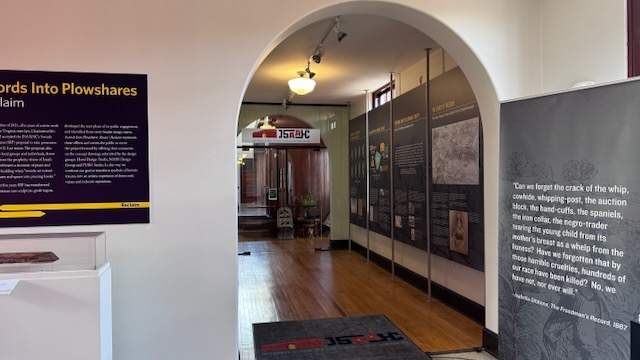
The Jefferson School opened in 1865 as a Freedman’s School, initially sharing space with the First Baptist Church. The graded school relocated to 4th Street NW in 1894, and the Jefferson High School opened in 1926, serving as the only Black high school in the city until 1951 when Jackson P. Burley High School was established. From 1951 through 1965 the building served as the City’s Black elementary school. In 2013 the Jefferson School reopened as the Jefferson School City Center.
Today, the JSAAHC anchors the Jefferson School City Center and offers diverse programming. Its permanent exhibition, “Pride Overcomes Prejudice,” highlights the school’s history through alumni and community voices. Rotating contemporary art exhibitions, lectures, and annual public celebrations further enrich the center’s offerings.
Our Future
Guided by our programmatic pillars—Learning and Engagement and The Center for Local Knowledge, we elevate moments of communal memory while also creating opportunities for joy, celebration, and inspiration. In doing so, we ensure that all residents and visitors can engage with a fuller, more complete American narrative that not only acknowledges the past, but actively helps to shape a better future. Through our distinctive convening spaces, interdisciplinary programming, and commitment to rigorous research and analysis, we operate as a hub for thought leadership, civic dialogue, and collective action. We provide a safe space to explore, reflect, and share perspectives. We honor cultural expression by elevating diverse voices and ensuring that history is preserved and presented with dignity, accuracy, and care. Through this work and strategic partnerships,, we build trust, promote transparency, and foster connections across our various communities. In doing so, we strengthen civic engagement, and help prepare the next generation of leaders committed to building a more just, humane and democratic world. We interpret the past. We engage the present. We shape the future.
Our history
The Jefferson School African American Heritage Center is committed to providing a deeply engaging and impactful experience rooted in authentic representation and community connection. We strive to be an organization that actively learns, adapts, and champions the rich history of African Americans.
We are a place of continuous learning and innovation. Visitors can expect to encounter fresh perspectives, evolving exhibits, and forward-thinking programs driven by a dedication to staying current with best practices in heritage preservation and education.
Our Values
We value thoughtful inquiry and informed engagement. Our team is committed to presenting information with depth, accuracy, and a critical eye. We encourage open dialogue and respectful conversation, seeking to understand diverse viewpoints and foster genuine connection with you and our community.
We are dedicated to a welcoming and equitable environment. We are committed to creating a safe, inclusive space where everyone feels valued and respected. We prioritize accessibility and ensure our programs reflect the diverse experiences of African Americans, honoring their history with dignity and sensitivity.
Our Values
We uphold a legacy of preservation and celebration. We are passionate about safeguarding cultural heritage, sharing important narratives with accuracy and respect, and celebrating the vibrancy of African American culture through engaging events and experiences. We recognize and honor the contributions of individuals and communities, fostering a sense of joy and connection to this vital history.
Our Staff
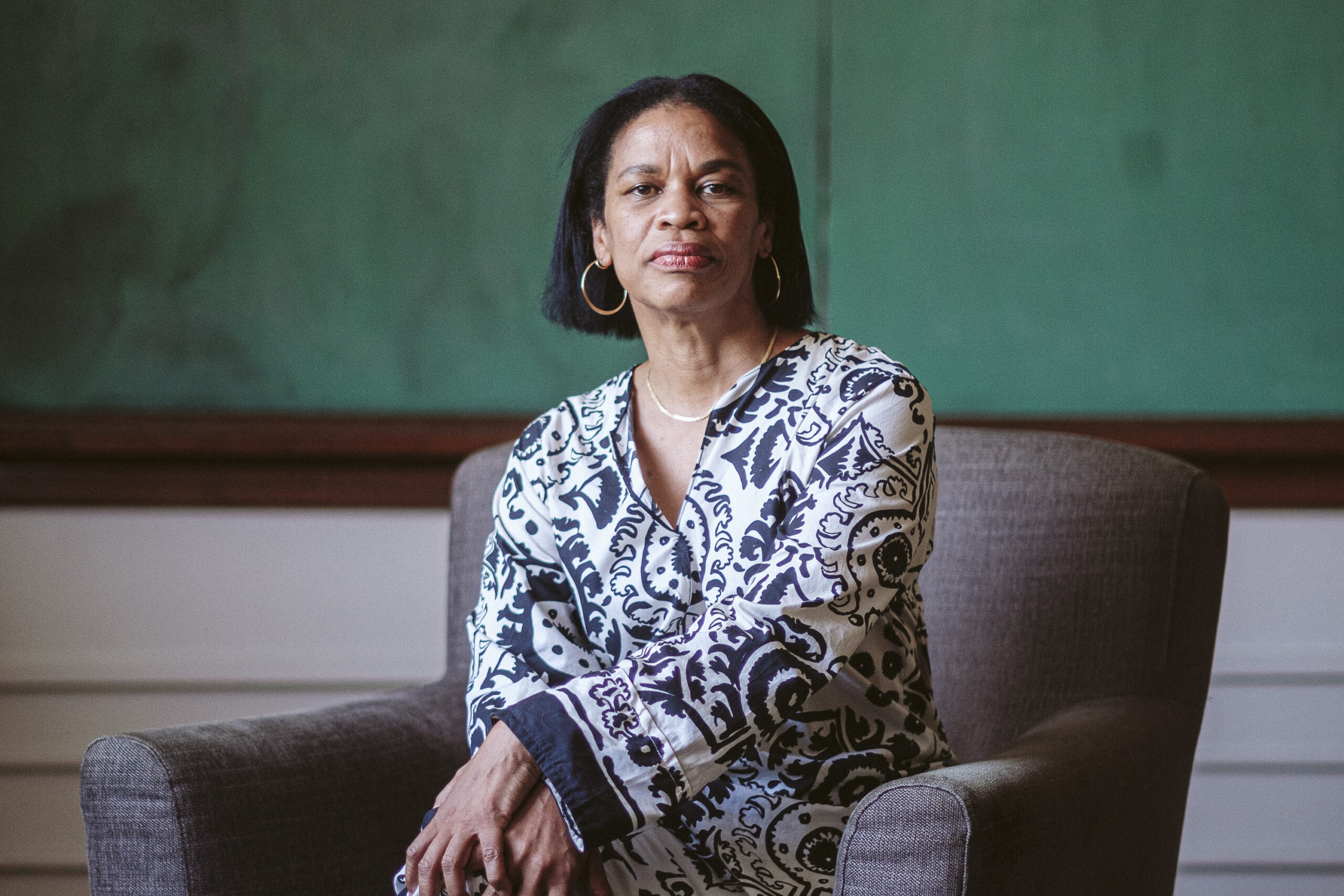
Andrea Douglas, Executive Director
Dr. Andrea Douglas, holds an M.A. and Ph.D. in art history from the University of Virginia and an M.B.A. in arts management and finance from Binghamton University, NY. Douglas has taught graduate and undergraduate classes in African American, contemporary, and art theory, and has published exhibition catalogues and scholarly articles. From 2004 – 2010 she was Curator of Collections and Exhibitions and Curator of Contemporary Art at the University of Virginia Art Museum.
Read Full Bio
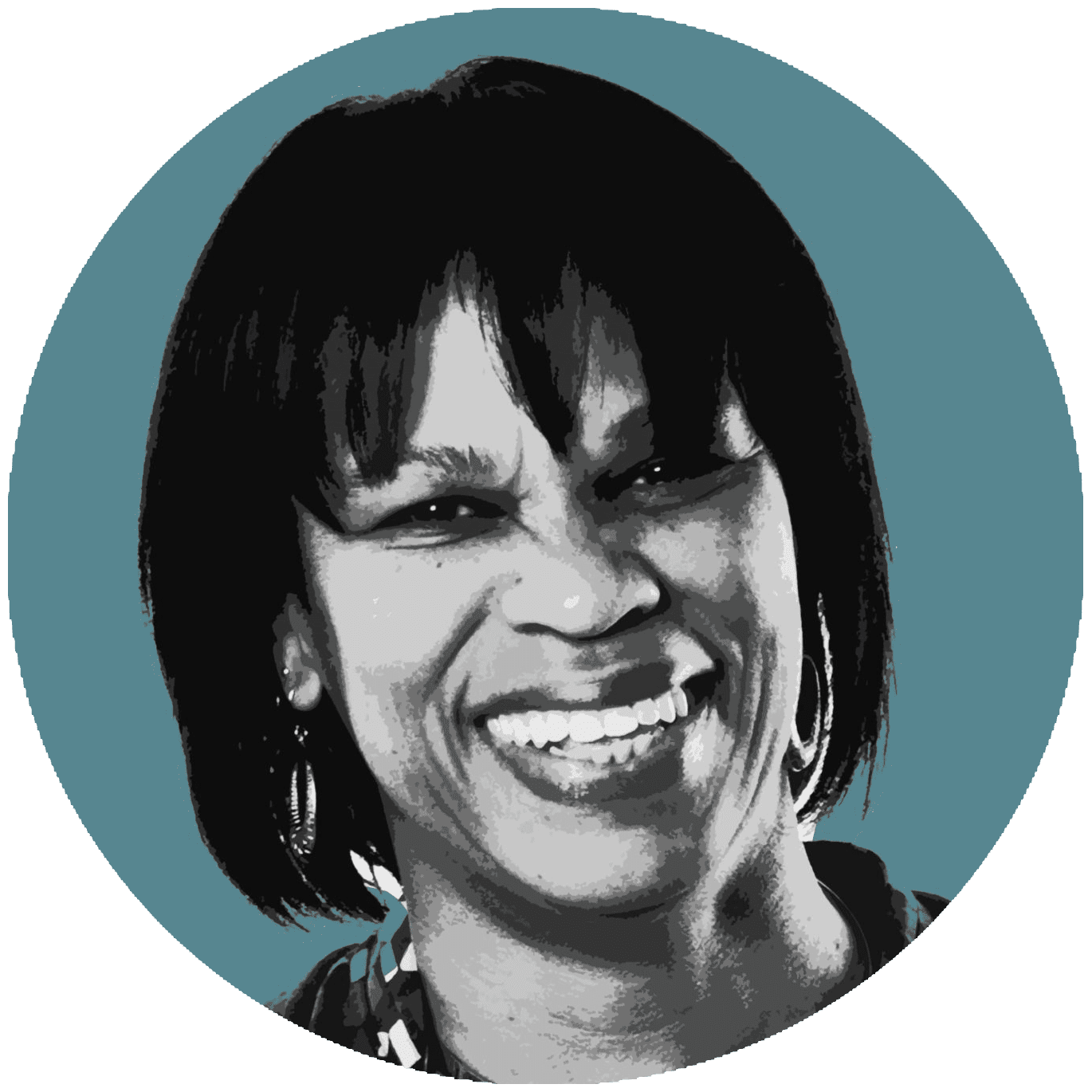
Andrea Douglas
Executive Director
Dr. Andrea Douglas, holds an M.A. and Ph.D. in art history from the University of Virginia and an M.B.A. in arts management and finance from Binghamton University, NY. Douglas has taught graduate and undergraduate classes in African American, contemporary, and art theory, and has published exhibition catalogues and scholarly articles. From 2004 -2010 she was Curator of Collections and Exhibitions and Curator of Contemporary Art at the University of Virginia Art Museum.
Douglas was recently appointed to the Governor’s Commission to Study Slavery and Subsequent De Jure and De Facto Racial and Economic Discrimination. She is also the co-chair of the President’s Commission on the Age of Segregation at the University of Virginia and sits on Monticello’s Advisory Committee on African American Affairs as well as the state’s History of Lynching in Virginia Working Group. She has served on the City of Charlottesville Blue Ribbon Commission on Race, Monuments and Public Spaces, the University of Virginia’s President’s Commission on Slavery at the University and was chair of the city’s PLACE Design Task Force.
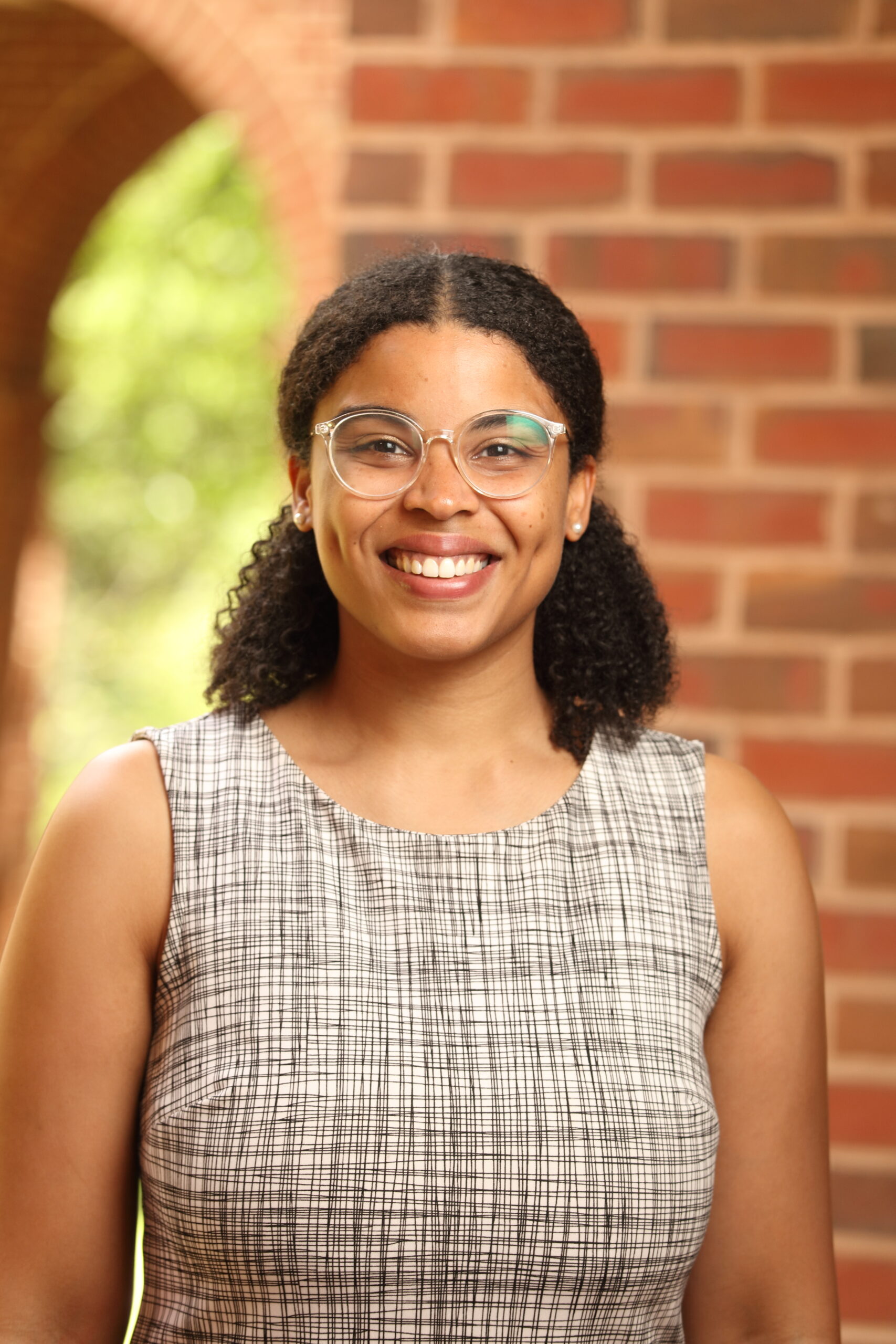
Sherry Bryant, Chief Curator, Learning + Engagement
Sherry Bryant, a native of Newport News, VA, earned her B.A. in History and English Literature and Masters in Education from the University of Virginia. She taught secondary social studies education (including U.S. history, government, and civics and economics) in Charlottesville and Albemarle County. During her time as an educator, Bryant prioritized integrating strategies that addressed the inclusion of marginalized narratives into history and social studies curricula.
Read Full Bio
Sherry Bryant
Head Curator of Learning + Engagement
Sherry Bryant, a native of Newport News, VA, earned her B.A. in History and English Literature and Masters in Education from the University of Virginia. She taught secondary social studies education (including U.S. history, government, and civics and economics) in Charlottesville and Albemarle County. During her time as an educator, Bryant prioritized integrating strategies that addressed the inclusion of marginalized narratives into history and social studies curricula. After leaving the classroom, Bryant designed and supported programs and outreach efforts at Youth-Nex, the UVA Center to Promote Effective Youth Development, including facilitating a Youth Advisory Council.
She is passionate about designing and implementing engaging learning experiences and cross-curricular professional development opportunities that center and highlight Black histories and lived experiences for all ages in Charlottesville and Albemarle.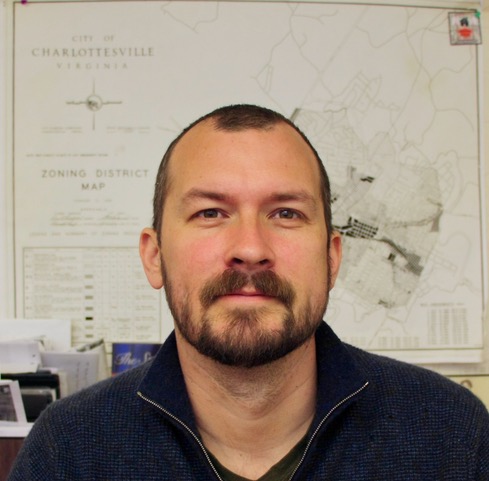
Jordy Yager, Director Digital Humanities, Center for Local Knowledge
Jordy Yager began working with the Jefferson School African American Heritage Center in 2017 when he helped launch the African American Oral History Project with local filmmakers Lorenzo Dickerson and Ty Cooper. In 2018, he launched Mapping Cville to map racial covenants. Jordy has since launched the Central Virginia Black Land Repository, and helps run the JSAAHC’s Center for Local Knowledge. A career journalist, Jordy has won many first place awards, including an Emmy and a Telly for the film Raised/Razed about Vinegar Hill.
Read Full Bio

Jordy Yager
Digital Humanities Fello
Jordy Yager began working with the Jefferson School African American Heritage Center in 2017 when he helped launch the African American Oral History Project with local filmmakers Lorenzo Dickerson and Ty Cooper. In 2018, he continued that work with a project grant from the Charlottesville Area Community Foundation to map racist housing policies and the corresponding life outcomes for a forthcoming exhibit at the JSAAHC.
He is a graduate of Charlottesville High School, earned his B.A. in Sanskrit, and his M.A. in Journalism from Boston University. For the last 12 years he has worked as a daily journalist, primarily in Washington D.C. and his hometown of Charlottesville, where he focuses on issues of race and equity.
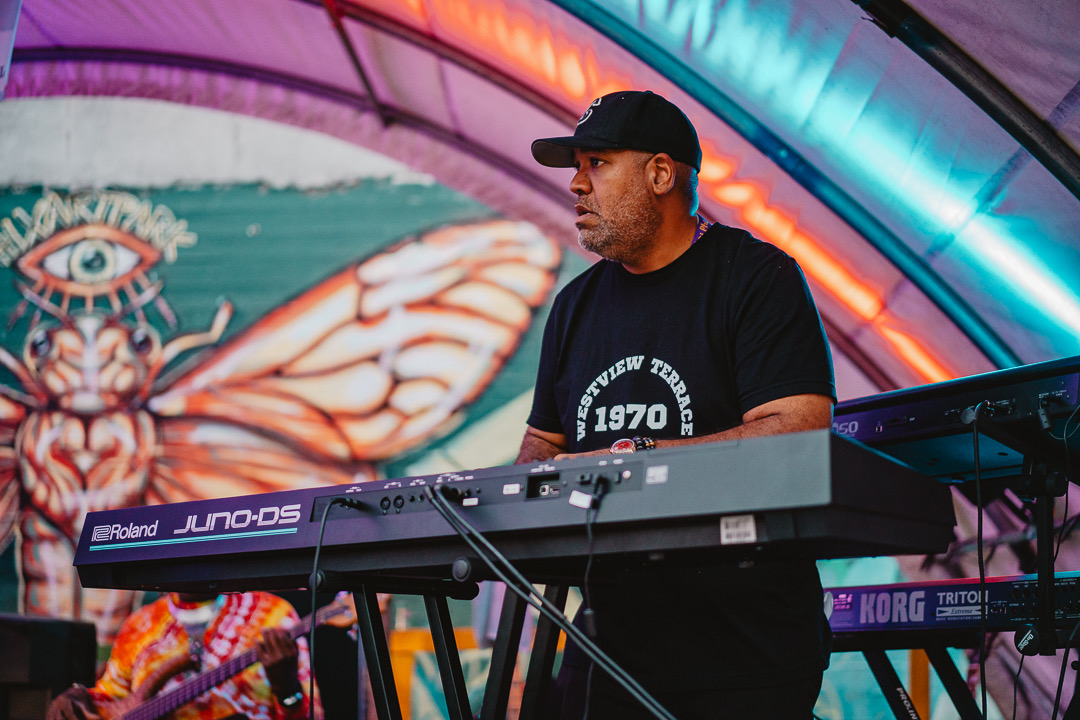
Ivan Orr, Researcher, Center for Local Knowledge
Ivan Orr is a multi-instrumentalist, composer, performer, and writer based in Charlottesville, Virginia. He holds a degree from Virginia Commonwealth University’s Department of Music (Jazz Studies/African American Studies). Ivan was the first Program Director of The Music Resource Center in Charlottesville, and has worked in both the Charlottesville and Albemarle County Public School Systems. He is the son of two longtime Charlottesville educators and was raised on Ridge Street in the Westview Terrace neighborhood.
Read Full Bio
Jordy Yager
Digital Humanities Fello
Jordy Yager began working with the Jefferson School African American Heritage Center in 2017 when he helped launch the African American Oral History Project with local filmmakers Lorenzo Dickerson and Ty Cooper. In 2018, he continued that work with a project grant from the Charlottesville Area Community Foundation to map racist housing policies and the corresponding life outcomes for a forthcoming exhibit at the JSAAHC.
He is a graduate of Charlottesville High School, earned his B.A. in Sanskrit, and his M.A. in Journalism from Boston University. For the last 12 years he has worked as a daily journalist, primarily in Washington D.C. and his hometown of Charlottesville, where he focuses on issues of race and equity.